
One stubborn gap: how two Cognitive Science students built Flowent
How two students found each other
We met during our Cognitive Science Master's studies in Osnabrück. No one assigned us to a project together. We drifted into the same orbit because we recognised something familiar in each other: the same enthusiasm, the same values, and the same itch to build something rather than only study it. A shared vision is easy to claim and hard to find. When you do find it, you notice, and you start spending your evenings on the same problem instead of going home.The problem we had already lived
We did not need a market report to believe in the problem, because we had both lived it many times over. Learning a language as an adult is mostly a quiet, private struggle, and the hardest part is rarely the part textbooks measure. Reading and writing give you time to think. Speaking does not. It happens in real time, in front of someone, and that is exactly where most learners, including us, get stuck.Studying Cognitive Science gave us a second, more useful view of that wall. The field has spent decades on it. Producing language, not just absorbing it, is what actually builds the ability to speak (Swain, 1985). And the thing that most often blocks production is not ignorance but emotion: foreign-language anxiety reliably interferes with performance (Horwitz et al., 1986), and a learner's willingness to communicate can matter as much as their competence (MacIntyre et al., 1998). The implication was clear to us. People do not need another app that tests what they know. They need a low-pressure place to speak, often, without being afraid of getting it wrong.
What we built, and the science underneath it
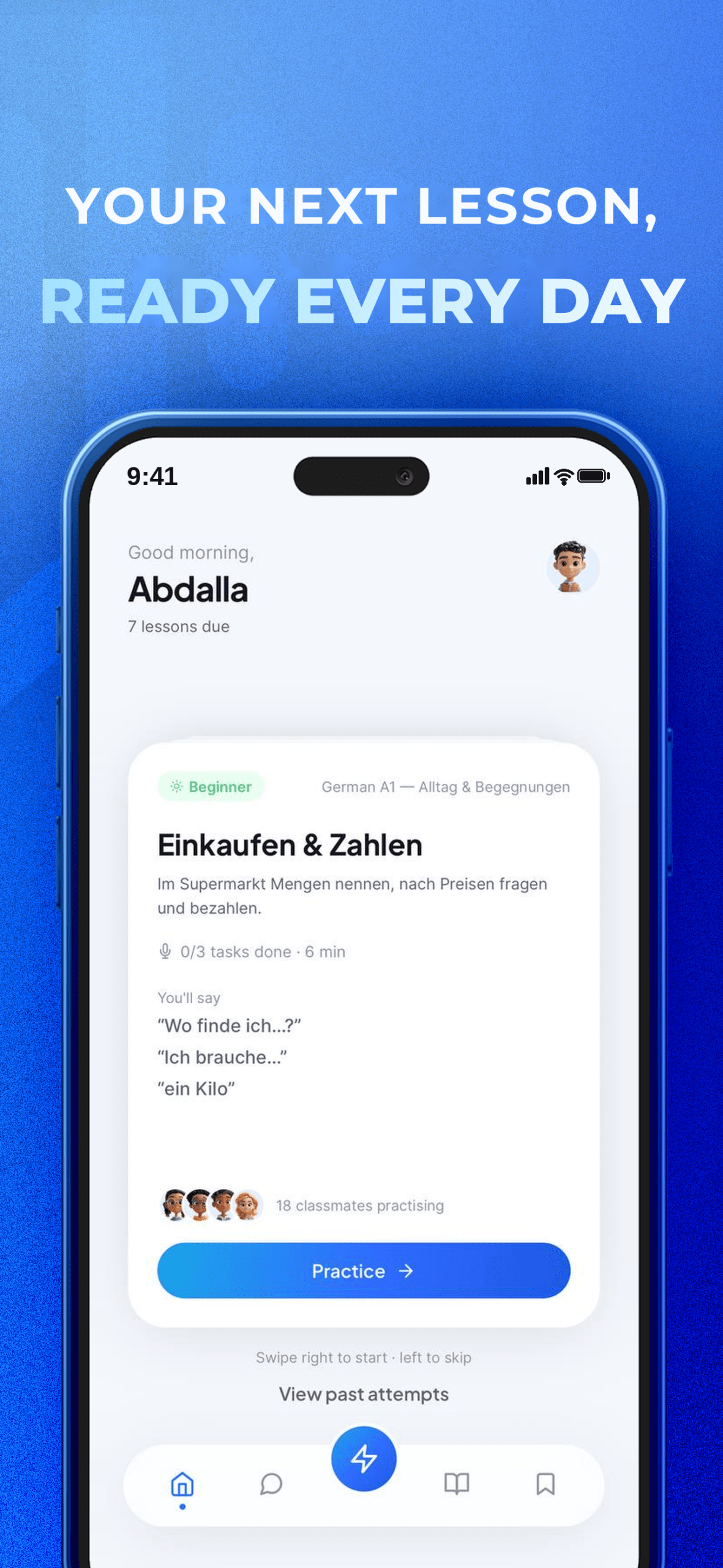
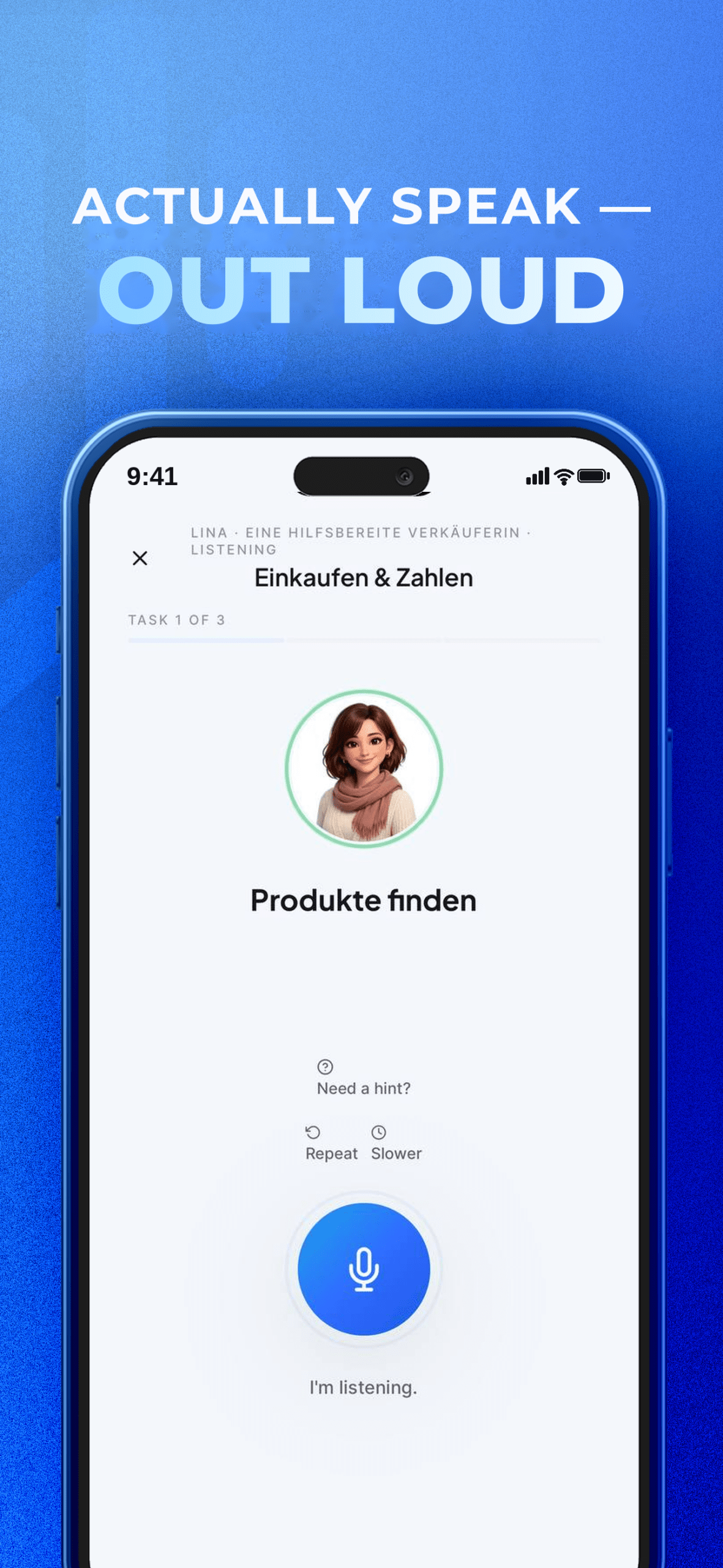
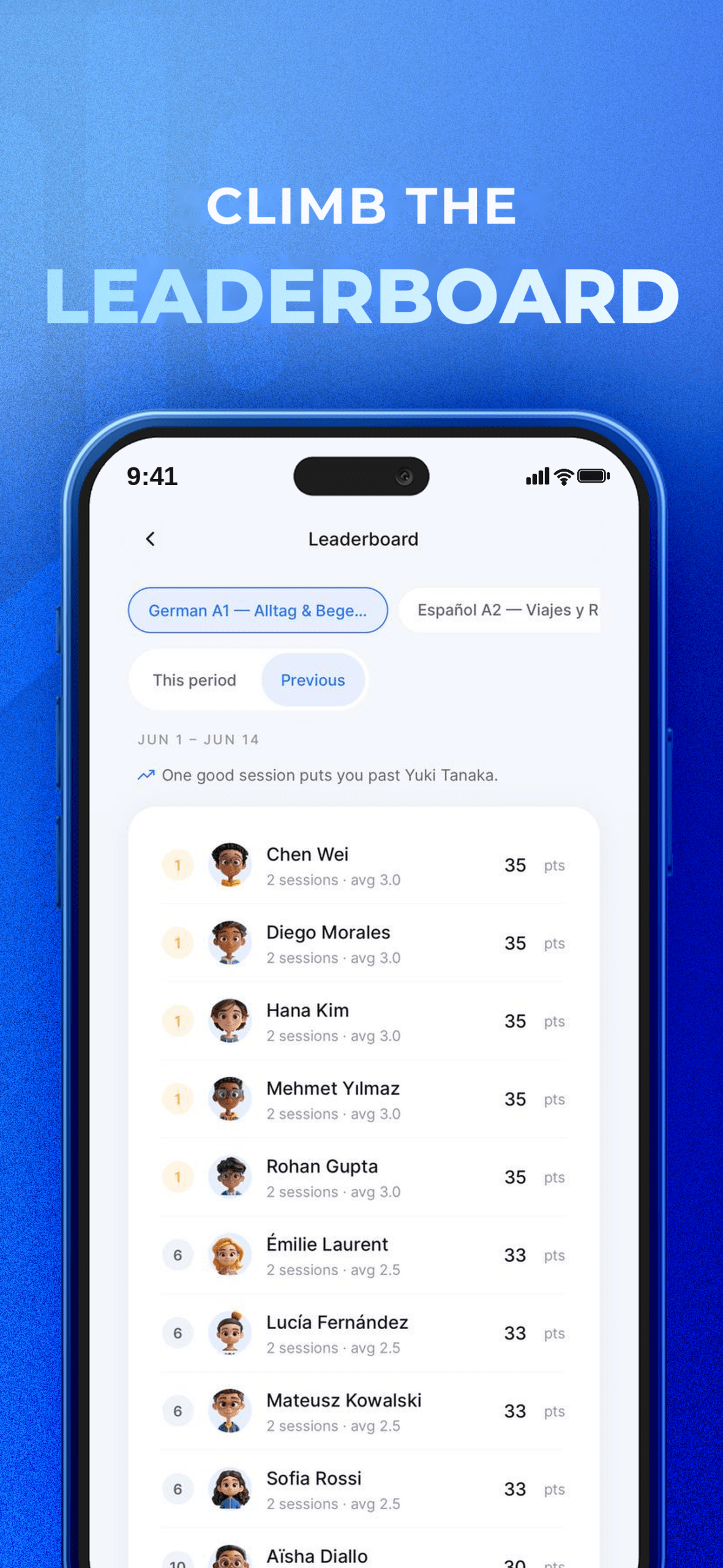
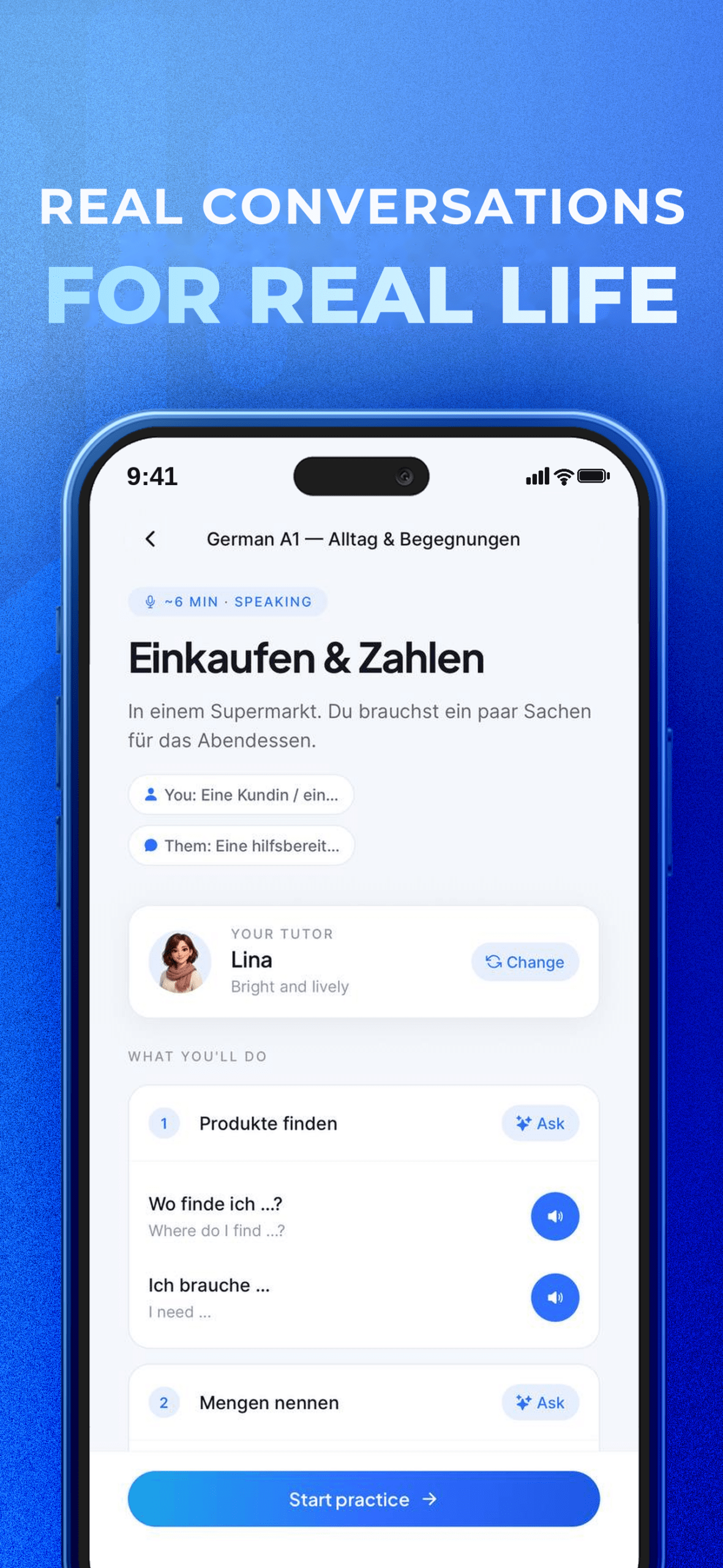
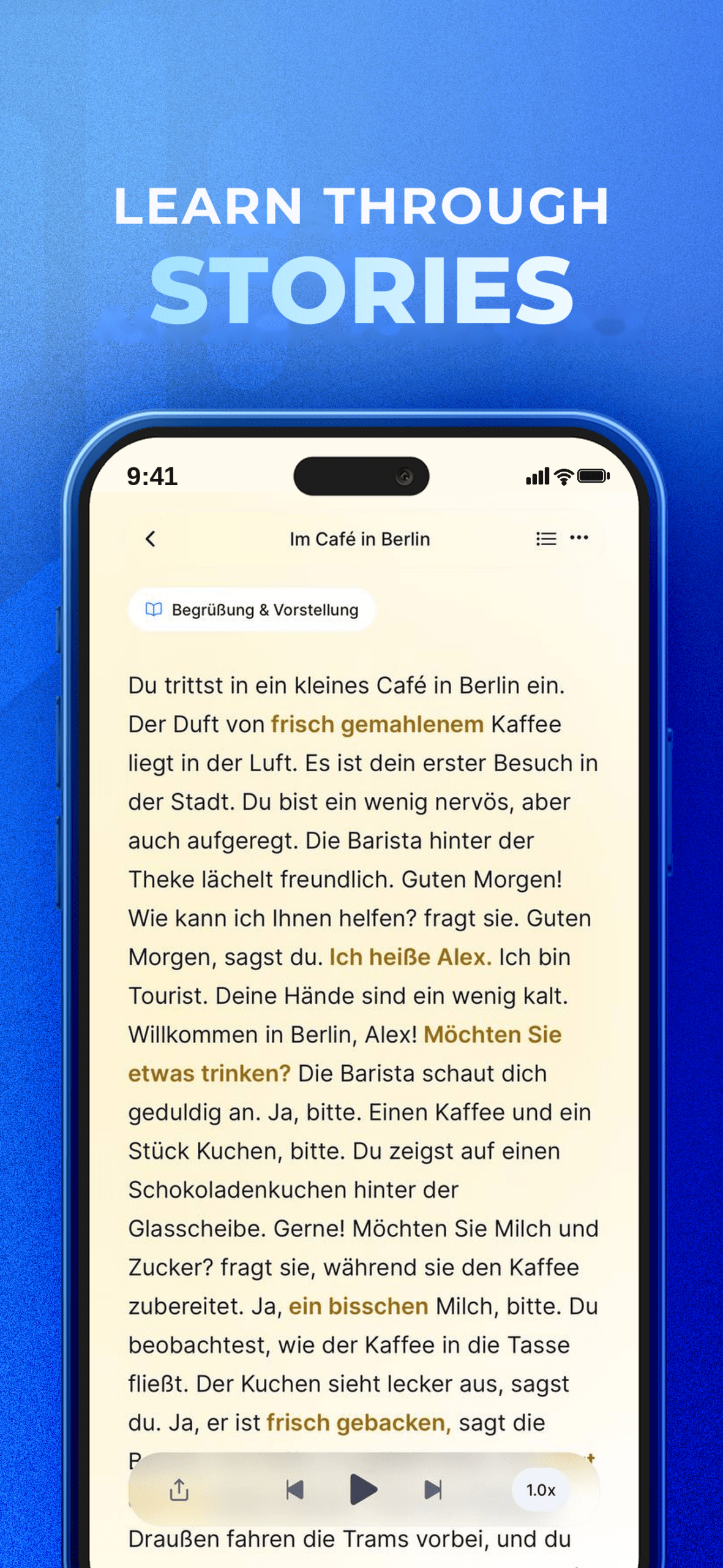
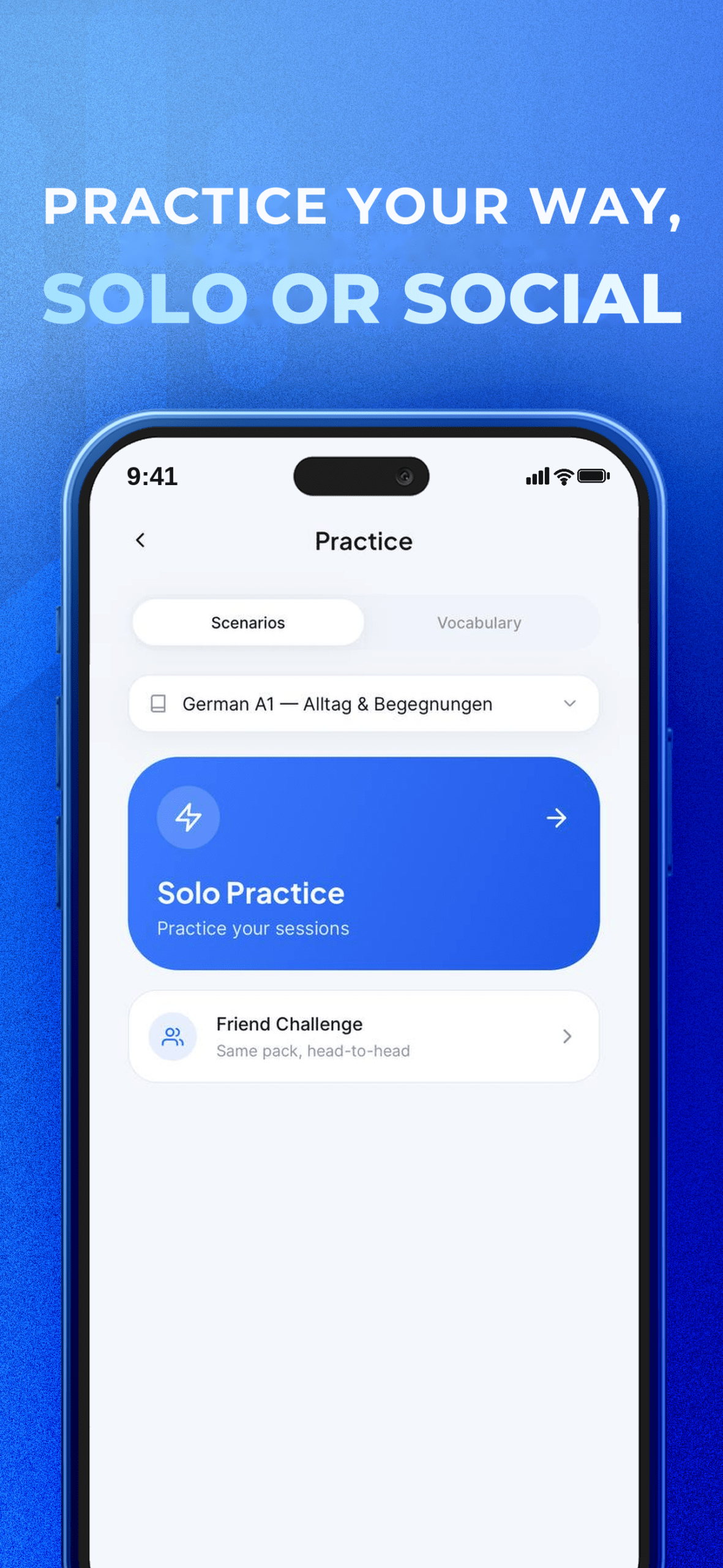
Flowent is, at its core, a place to actually speak. A learner holds a real, spoken conversation in real time, and afterwards gets feedback meant to help rather than to overwhelm. We focus on German for now, because the learners at the Sprachenzentrum, the language centre at Osnabrück University, need it, but nothing about the approach is German-specific, and extending it to other languages is squarely on our path.Underneath, the system listens to the speech and pays attention not only to the words but to how they were said: the rhythm, stress and intonation that linguists group under prosody, and that carry a surprising share of whether you are understood at all. The conversation and the feedback are deliberately kept apart. One part talks with you in the moment. A separate, more careful step decides what is worth telling you afterwards. Two principles shaped that second step, and both come straight from Cognitive Science.
The first is: do not overwhelm. A beginner who makes twelve mistakes in one sentence does not need twelve corrections. That is a textbook case of cognitive overload, and it teaches nothing. So, in the moment the system surfaces only the one thing most worth fixing.
The second principle is: feedback has to be trustworthy. Automated feedback is only useful if it points to something the learner genuinely said, never to something the machine merely assumed. Designing for that, so feedback is always grounded in the real utterance, turned out to be one of the more interesting problems we worked on, and one of the reasons a Cognitive Science background helped.
The score we fixed instead of trusting
Early on, Flowent gave every attempt a single score. It felt obvious, because numbers look like progress. Then we watched what the number actually did to people, and we realised it was the wrong instrument.The problem is motivational. A visible number quietly shifts a learner's attention from “I want to be understood” to “I want a higher number,” and self-determination theory is fairly blunt about what happens when external rewards crowd out the internal motivation to communicate (Ryan & Deci, 2000). Worse, a low score lands hardest on exactly the learners who most need to keep going. We did not throw the score away forever, though. We fixed it, so that what a learner sees reflects progress and effort rather than a verdict. A small change on the surface, and a Cognitive Science decision underneath.
How two people keep a living product alive
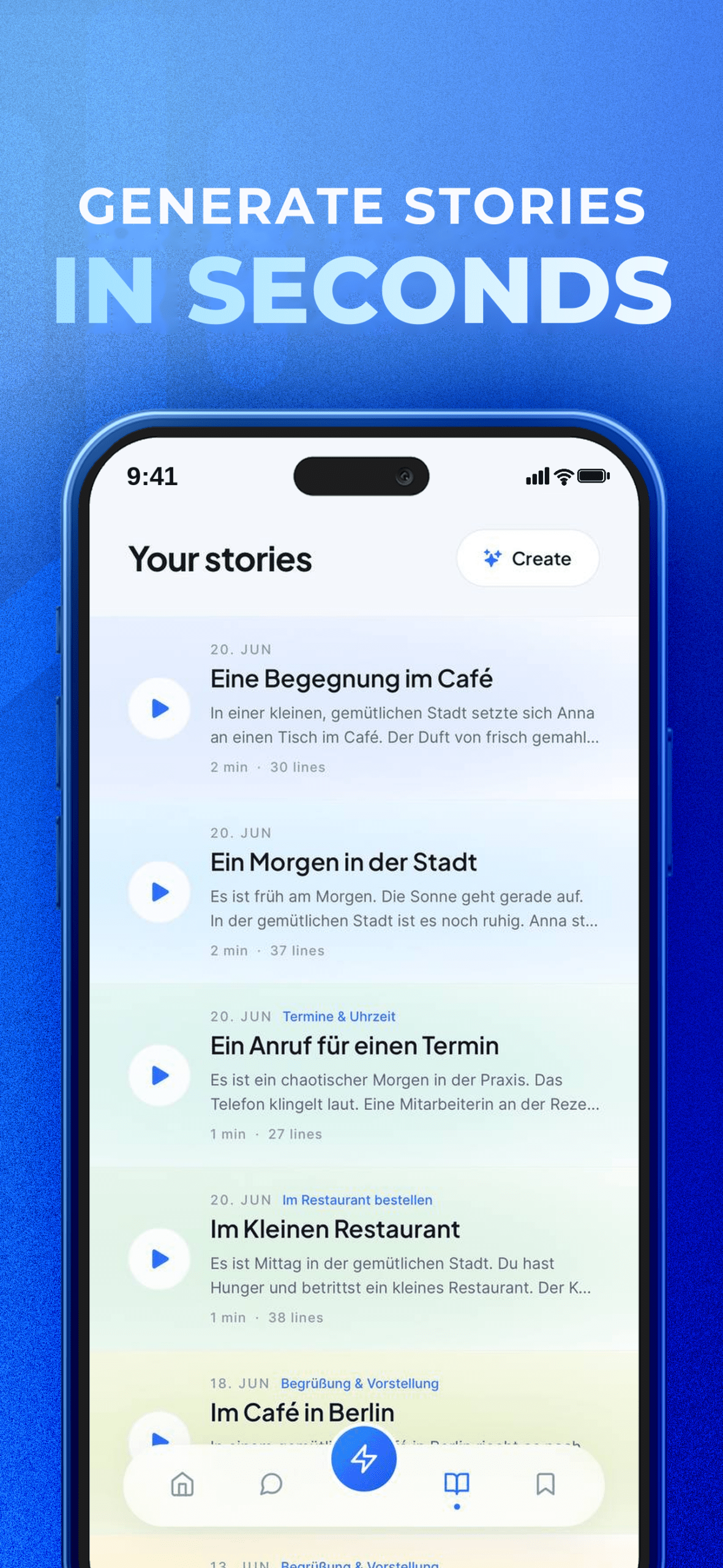
People sometimes ask how two students run something real people depend on. The honest answer is that we own the whole thing end to end: the conversation, the feedback, and the spaced repetition that brings words back before you forget them. And we treat speed as part of the product.The first time we watched a real student use Flowent and then write to us with a list of bugs, it was the best either of us had felt in months. Not despite the bug reports, but because of them. It meant someone we had never met cared enough to tell us.
That was the moment it stopped being a project and started being a responsibility.
What surprised us
The biggest lesson was how far the literature gets you, and where it stops. Research can tell you what good feedback is. It cannot tell you what a tired student at nine in the evening will actually do with it. The only way to learn that is to watch real people use the thing, and a single afternoon of doing that changed more for us than any single paper. We also learned, almost by accident, that you do not have to wait until after graduation to build something real. Two students and a problem you understand from the inside are already enough to start.Where it is now, and where it is going
Flowent is a project we own and are building into a startup. Today it runs in real lessons at the Sprachenzentrum, helping people speak German with a little less fear. German is where we started, not where we intend to stop. The same engine could help someone find their voice in any language they need.If you are a Cognitive Science student wondering whether the things you study can turn into something real, our honest answer is yes, and faster than you would think. Come find us if you want to talk about it.
References
Horwitz, E. K., Horwitz, M. B., & Cope, J. (1986). Foreign language classroom anxiety. The Modern Language Journal, 70(2), 125–132. https://doi.org/10.1111/j.1540-4781.1986.tb05256.x.
MacIntyre, P. D., Clément, R., Dörnyei, Z., & Noels, K. A. (1998). Conceptualizing willingness to communicate in a L2: A situational model of L2 confidence and affiliation. The Modern Language Journal, 82(4), 545–562. https://doi.org/10.1111/j.1540-4781.1998.tb05543.x.
Ryan, R. M., & Deci, E. L. (2000). Self-determination theory and the facilitation of intrinsic motivation, social development, and well-being. American Psychologist, 55(1), 68–78. https://doi.org/10.1037/0003-066X.55.1.68.
Swain, M. (1985). Communicative competence: Some roles of comprehensible input and comprehensible output in its development. In S. Gass & C. Madden (Eds.), Input in second language acquisition (pp. 235–253). Newbury House.

Abdalla Sera and Ali Al-Dulaimi
“I build things, and what draws me to Cognitive Science is using it to ship real products. Right now that means voice AI: getting a machine to listen to someone speak and respond in a way that genuinely helps them improve. Building Flowent has made me as much a product engineer and founder as a student, owning everything from the speech pipeline to the user experience to the business around it. What keeps me going is shipping fast, watching real people use what we built, and making voice technology that stays honest and genuinely useful for the person on the other side.” – Abdalla
“What interests me most is how different disciplines can come together to solve a very human problem: learning to speak a new language. As the technical co-founder of Flowent, I work at the intersection of speech AI, language learning, product design, and cognitive science. I find it particularly exciting that advances in speech technology can now be combined with insights into how people learn, practice, and build confidence, creating tools that make speaking practice more accessible, adaptive, and effective.” – Ali